




Masamoto Selections
-
On Sale
-
On Sale

-
On Sale
-
On Sale

-
On Sale

-
On Sale

-
On Sale
-
On Sale

-
On Sale

-
On Sale

-
On Sale
-
On Sale

-
On Sale

-
On Sale
-
On Sale
-
On Sale
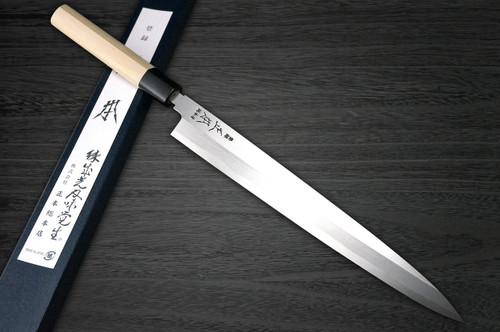
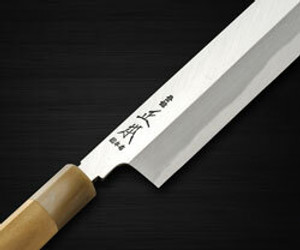
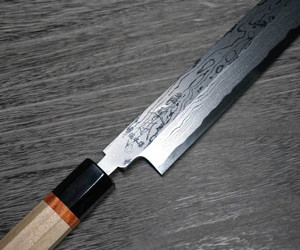
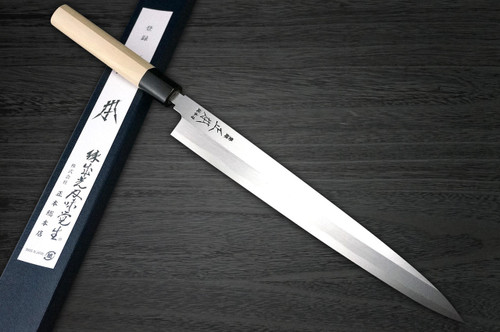
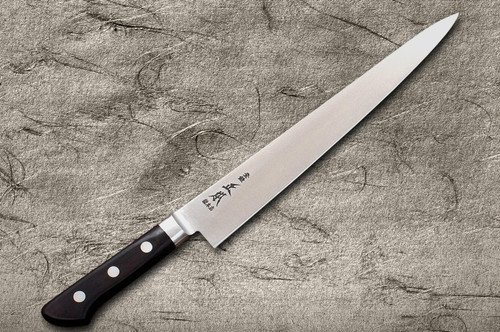
Masamoto KS Honkasumi Gyokuhaku-ko Japanese Chef's Yanagiba(Sashimi) 300mm KS0430
NZ$1,000.98NZ$866.95 -
On Sale

-
On Sale
-
On Sale
-
On Sale

-
On Sale
-
On Sale
-
On Sale

-
On Sale

-
On Sale

-
On Sale

-
On Sale
-
On Sale
-
On Sale

-
On Sale
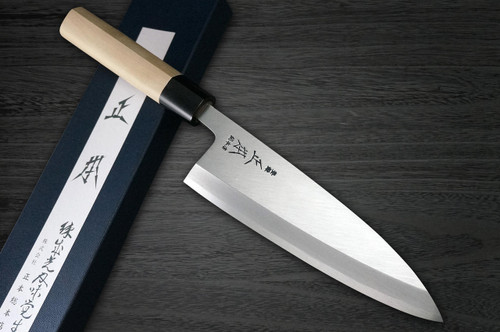
Masamoto Sohonten — The 150-Year-Plus Heritage House That Pioneered Honyaki in the Kanto Region
Founded in the final years of the Edo period, Masamoto Sohonten Co., Ltd. is a long-established knife maker in Azumabashi, Tokyo, cherished by professional chefs for more than 150 years. According to the company’s official history, the founder, Minosuke Matsuzawa, traveled to Osaka in 1862 to master the secrets of honyaki forging, then returned home in 1866 and began making kitchen knives for chefs in Bushu Osawa (present-day Koshigaya, Saitama Prefecture). In 1874, the house became the first in the Kanto region to produce and sell honyaki kitchen knives, and for six generations since, it has handed down both the craft of knife making and its product quality control.
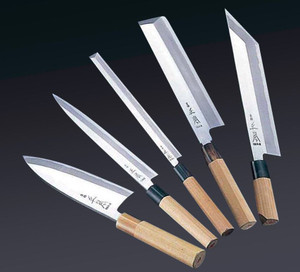
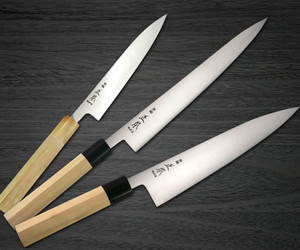
Its range extends from traditional Japanese knives (wa-bocho) — above all the yanagiba and deba — to Western-style knives, and each blade, refined for its specific purpose, supports professional kitchens in washoku, sushi, and beyond.
| Item | Details |
|---|---|
| Manufacturer | Masamoto Sohonten Co., Ltd. (Masamoto Sohonten) |
| Founded | 1866, when the founder began making kitchen knives for chefs in Bushu Osawa. Celebrated its 150th anniversary in 2016 |
| Location | Azumabashi, Sumida City, Tokyo |
| Lineage | From the founder, Minosuke Matsuzawa, the craft of knife making and its product quality control have been handed down through six generations |
| Key History | 1862: The founder travels to Osaka to master the secrets of honyaki forging / 1866: Returns home and begins making kitchen knives for chefs in Bushu Osawa / 1874: Becomes the first in the Kanto region to produce and sell honyaki kitchen knives / 1890: Opens the Masamoto Sohonten shop in Honjo Ward, on the site of present-day Azumabashi, Sumida City / 1903: Registers the “Masamoto” trademark |
| Honors & Achievements | The “Masamoto” trademark was registered in 1903. The company’s official history notes that it is recognized as a well-known and famous trademark in Japan |
| Specialties | Traditional Japanese knives (wa-bocho) including honyaki and hongasumi; knives developed for specific uses such as yanagiba, usuba, and deba; and Western-style knives |
| Signature Products | Traditional Japanese knives such as the yanagiba, deba, and usuba. A broad lineup spanning honyaki, hongasumi, kasumi, and Western-style knives |
Three Reasons Chefs and Collectors Worldwide Are Drawn to Masamoto Knives
1. Over 150 Years of History and “Kanto’s First Honyaki” — The Heritage Itself Is the Value
Masamoto Sohonten’s strength lies in a history reaching back to the final years of the Edo period, and in its standing as the first maker in the Kanto region to produce and sell honyaki kitchen knives. The story behind the brand — a founder who learned the secrets of honyaki forging in Osaka and began making kitchen knives for chefs upon his return — gives these knives a narrative that elevates them beyond mere tools.
2. Six Generations of Craftsmanship — A Devotion to Knife Making and Product Quality Control
The official website relates that the knife-making craft and product quality control established by the founder have been handed down through six generations since. Because a knife is a tool used for many years, what matters is not sharpness alone, but also consistency of quality and ease of care. Masamoto Sohonten is a heritage brand that has continued to meet the standards demanded in professional kitchens.
3. From Traditional Japanese Knives to Western-Style Knives — A Broad Lineup for Every Purpose
A defining feature of Masamoto Sohonten is that, alongside traditional Japanese knives such as the yanagiba, deba, and usuba, it also offers Western-style knives. This fits naturally with Japanese culinary culture, where chefs switch knives by task — slicing sashimi, breaking down fish, fine-cutting vegetables — and gives the brand broad appeal, from professional chefs to serious home cooks.