






Yoshimi Kato Selections
-

-
-
On Sale
-
On Sale

-

-

-
-
On Sale

-
On Sale
-

-

-
-
On Sale
-
-

-
On Sale

-

-
![Yoshimi Kato Aogami Super Kurouchi V-Hammered OL8N Japanese Chef's Bunka Knife 170mm with Olive Handle [Red Turquoise Ring]](https://cdn11.bigcommerce.com/s-attnwxa/images/stencil/500x659/products/6593/257690/yoshimi-kato-aogami-super-kurouchi-v-hammered-ol8n-japanese-chefs-bunka-knife-170mm-with-olive-handle-red-turquoise-ring__64200.1737319412.jpg?c=2 "Yoshimi Kato Aogami Super Kurouchi V-Hammered OL8N Japanese Chef's Bunka Knife 170mm with Olive Handle [Red Turquoise Ring]")
-

-

-
-
On Sale
-

-
On Sale

-

-
-

-
-
On Sale

-
On Sale
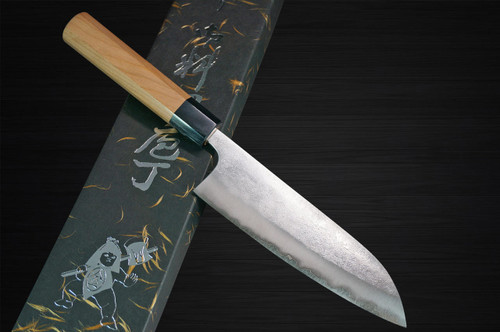
Yoshimi Kato—The Unconventional Third-Generation Heir to a Prestigious Echizen Blade-Making Family
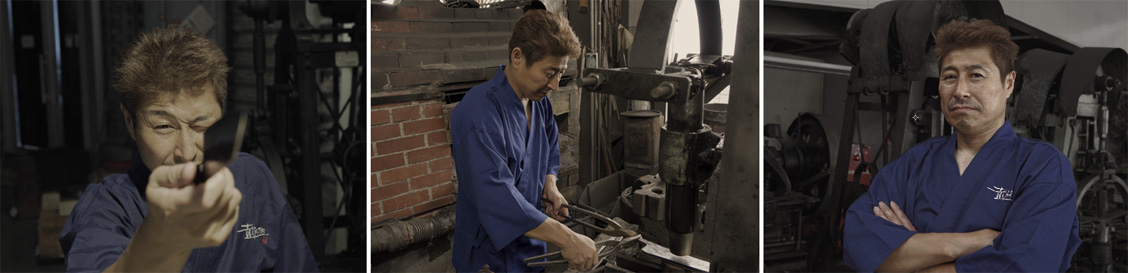
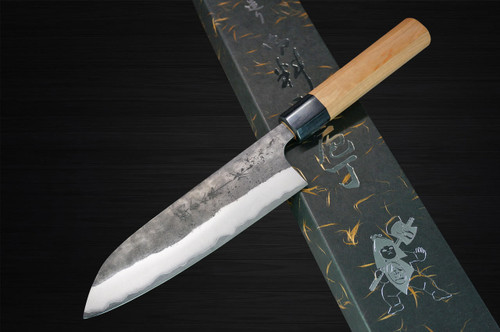
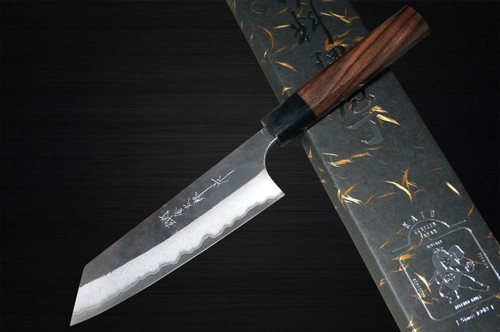
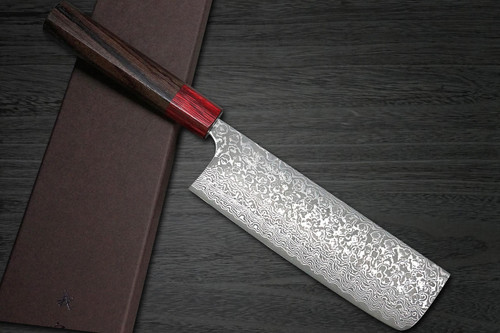
Yoshimi Kato is the third-generation successor to the renowned blacksmith shop “Kato Forged Knives Workshop” in Echizen City, Fukui Prefecture (formerly Takefu). With an unconventional background in the construction industry, he joined the Kato family and embarked on the path of blacksmithing. He completed the apprenticeship—which typically takes over 15 years—in just about five years and took over his predecessor’s workshop. He is a rising star who has been certified as a Traditional Craftsman of Echizen Forged Knives.Having honed his skills at Takefu Knife Village alongside master craftsmen such as Yu Kurosaki, he captivates chefs and collectors worldwide with his exceptional heat treatment and beautiful blade patterns, exemplified by Damascus and hammered (tsuchime) finishes.
| Blacksmith | Yoshimi Kato |
|---|---|
| Workshop | Kato Uchi Hamono (formerly Kintaro) – Third-generation master |
| Location | Echizen City, Fukui Prefecture (formerly Takefu)—a center for Echizen forged cutlery with a history of approximately 700 years. Member of the Takefu Knife Village Cooperative |
| Master | Father-in-law, Hiroshi Kato—a master craftsman and founding member of Takefu Knife Village. He honed his skills in an environment surrounded by renowned craftsmen such as Yu Kurosaki |
| Title | Master of Traditional Crafts (Certified) |
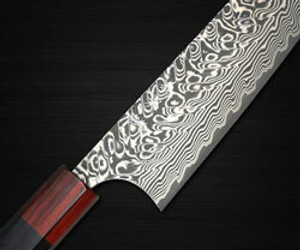
| Areas of Expertise | Exceptional heat treatment / Creation of beautiful blade patterns such as Damascus and hammered grain. Masterful handling of Aogami Super, R2 (SG2), and VG10 |
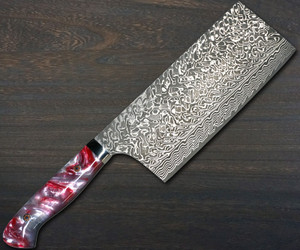
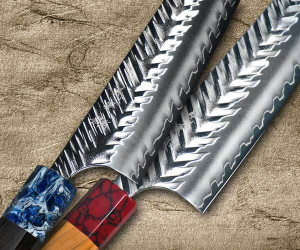
| Representative Works | 63-layer VG10 Black Damascus, Aogami Super Kurouchi (Black Hammered), and the R2 “MINAMO (Water Surface)” and “HYO (Biao)” hammered finish series. Also responsible for crafting the Masakage brand |
Three Reasons Why Chefs and Collectors Worldwide Seek Out Yoshimi Kato’s Knives
1. An Unconventional Career: “He Succeeded His Master in Just 5 Years”—A Miracle Born of Talent and Curiosity
He made the transition from the construction industry to the world of blacksmithing. A rare talent, he completed an apprenticeship—which typically takes over 15 years—in just about five years and took over the workshop of his father-in-law, a master craftsman. His story—of how he leveraged his knowledge of metals and insatiable thirst for learning to quickly master exceptional forging techniques and aesthetic sensibilities—is a narrative in itself, one that lives within every knife he creates.
2. A Prestigious Echizen Forged Cutlery Family × Takefu Knife Village—An Environment Where He Learned from the Greatest Master
Based in Echizen City—the birthplace of Echizen forged blades, a tradition boasting a history of approximately 700 years—he studied under his father-in-law, Hiroshi Kato, a founding member of Takefu Knife Village. He honed his skills in an environment where world-class master craftsmen, including Yu Kurosaki, gathered. A knife refined in this place where traditional techniques and modern sensibilities intersect carries the very history of the region on its back.
3. The Art of Heat Treatment × Diverse Steels and Designs—No Compromises on Sharpness or Appearance
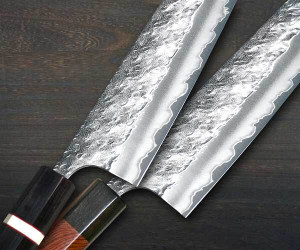
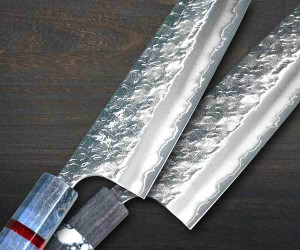
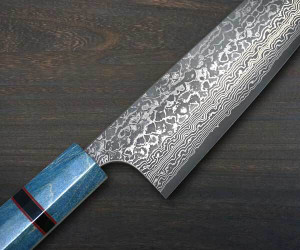
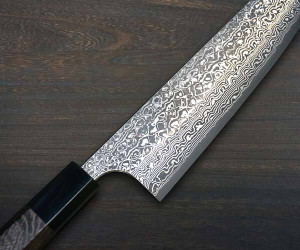
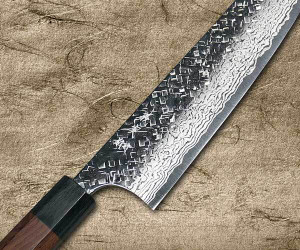
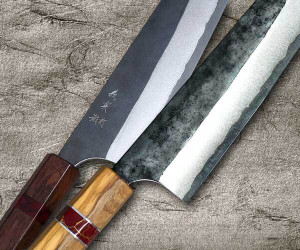
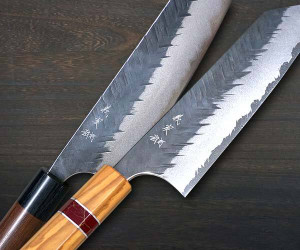
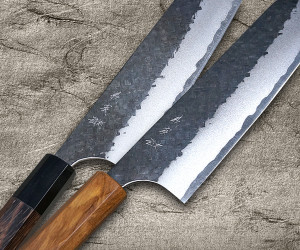
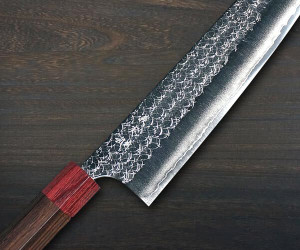
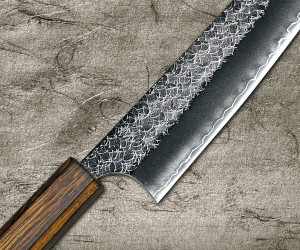
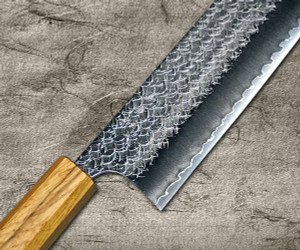
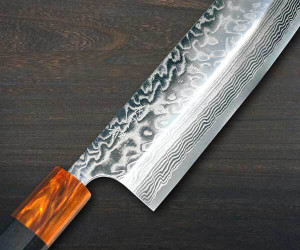
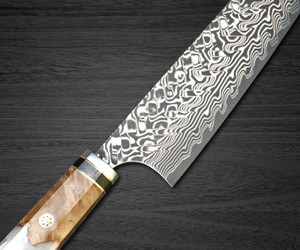
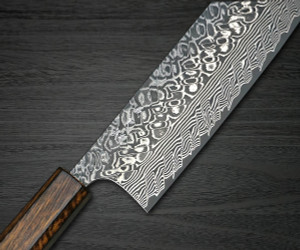
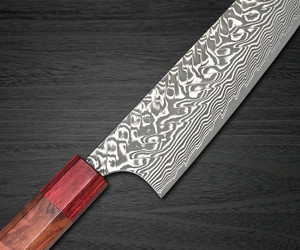
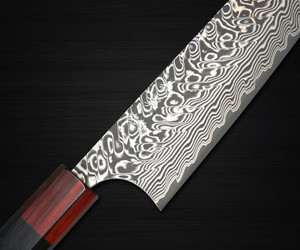
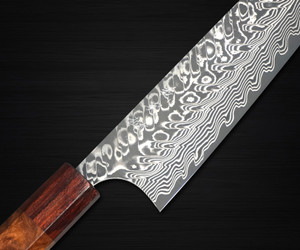
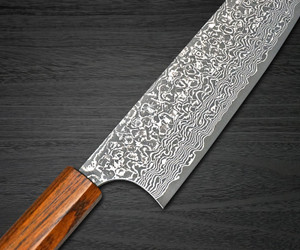
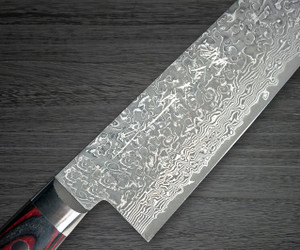
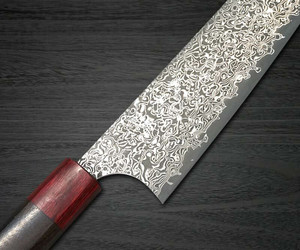
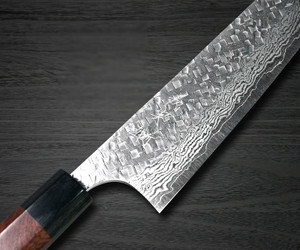
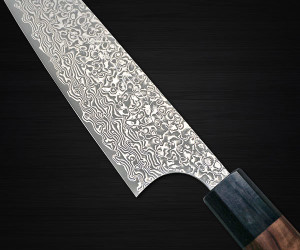
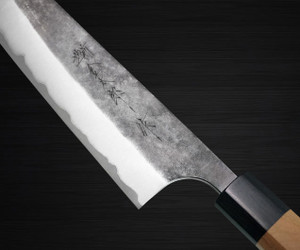
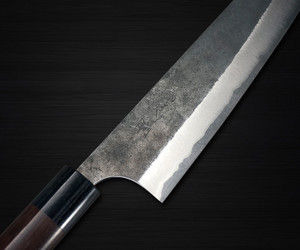
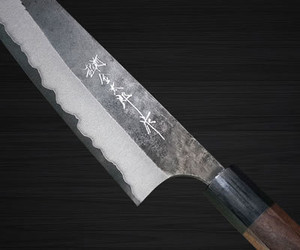
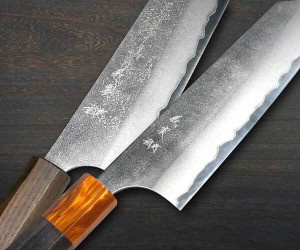
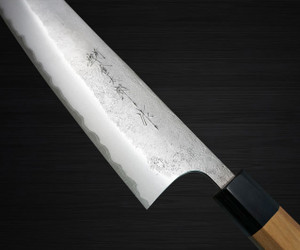
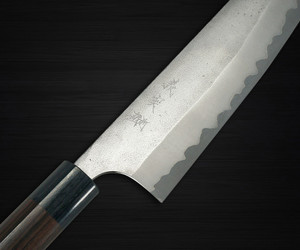
He has earned a reputation for his precise heat treatment, which brings out the best in a wide range of steels—including Aogami Super, R2 (SG2), and VG10—by selecting the appropriate steel for each application. The knives also feature expressive finishes such as Kuro-uchi, Nashiji, Black Damascus, and hammered patterns (V-shaped, angular, water surface, and ice), adding to their appeal. They achieve a high-level balance between practicality in professional kitchens and the beauty that brings joy to the owner.